Trench covers get walked on, driven over and lifted for maintenance, usually all in the same week. Getting the load rating right is the whole job — an under-rated cover that flexes under a forklift becomes a rattling, cracked hazard within months.
We supply the frame with the cover. The angle or channel frame is cast or grouted into the slab so the cover sits flush with the finished floor, which is what keeps trolleys, pallet trucks and pedestrians from catching the edge.
Covers sized for pedestrian, light vehicle, forklift or heavy goods loading with stiffeners to suit the span.
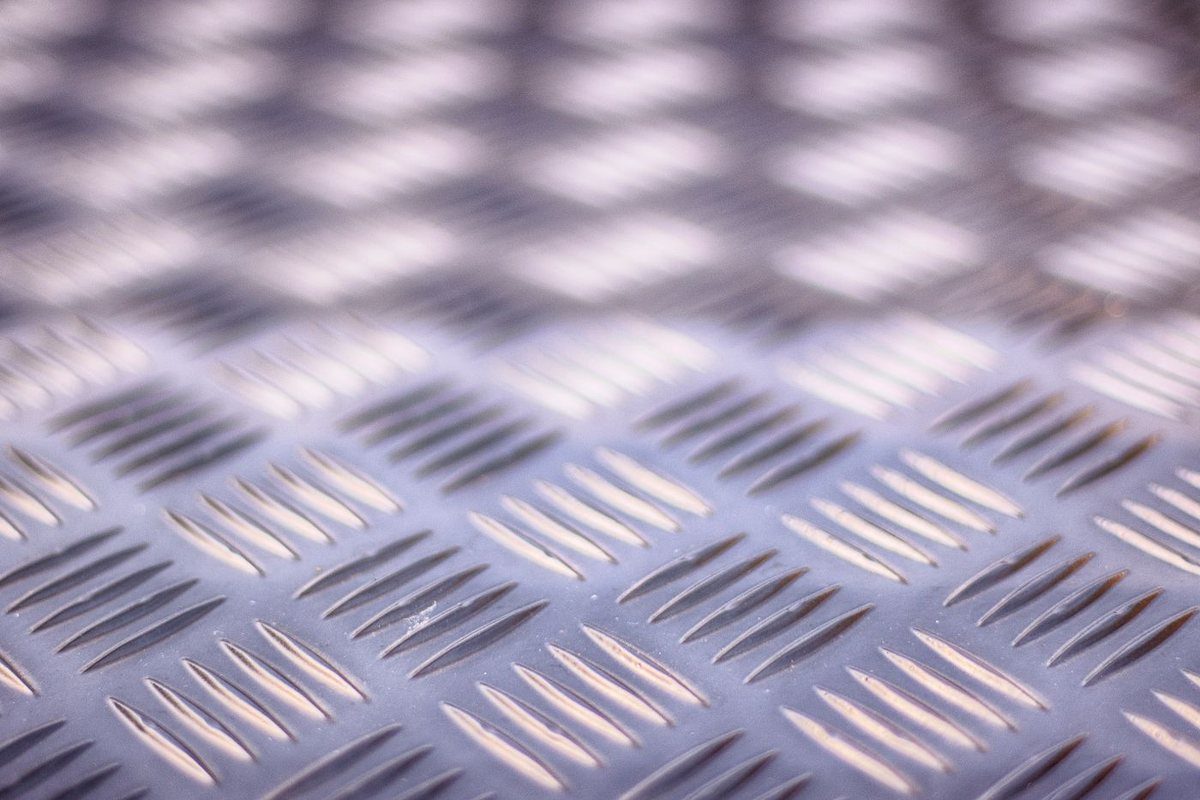
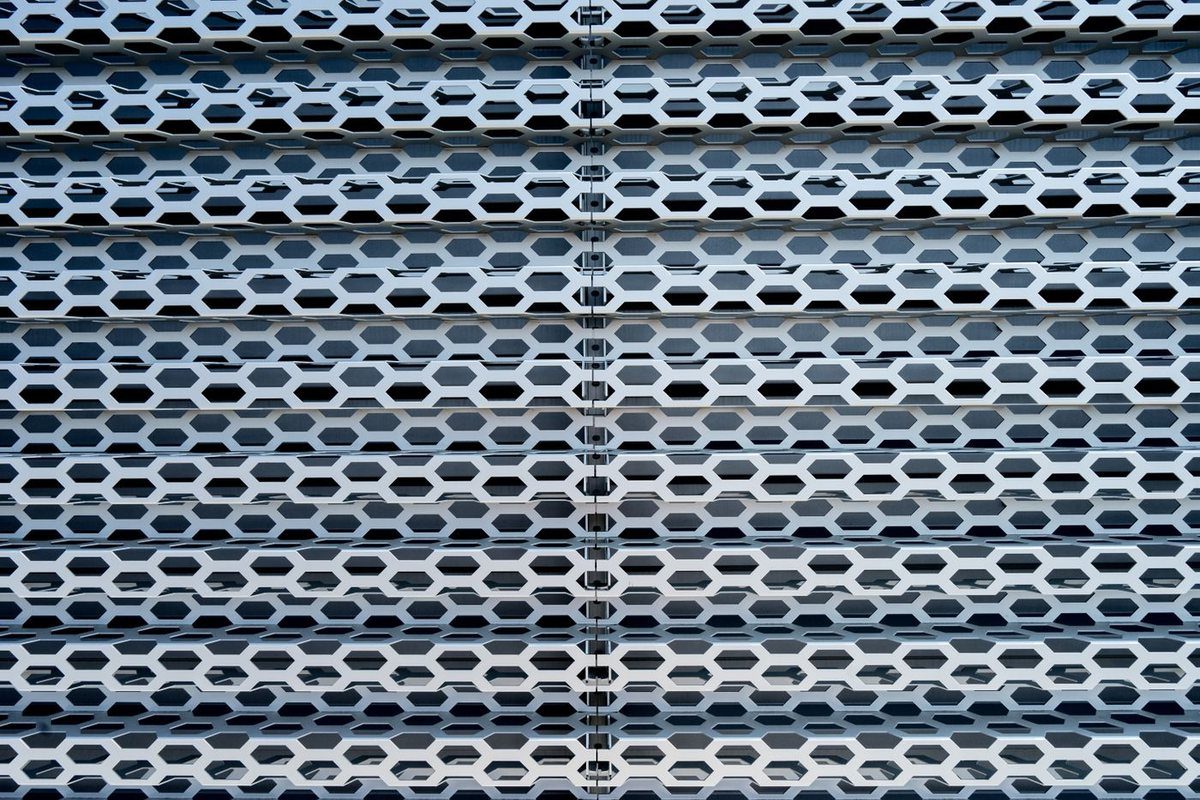
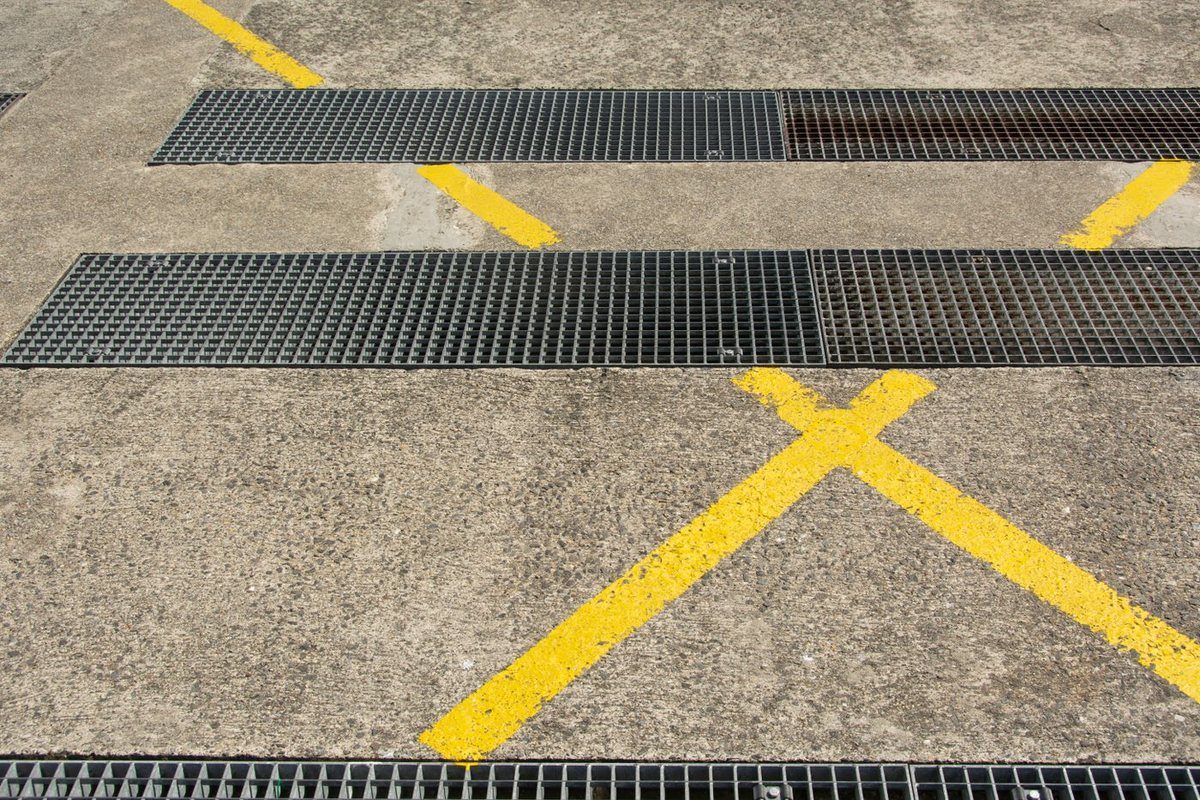
Chequered plate covers where a sealed surface is needed, and open gratings where drainage or ventilation is required.
Tray-type covers that accept the surrounding tile, screed or stone so the trench line almost disappears.
Galvanised angle and channel frames with anchor legs, set flush to the finished floor level.
Recessed lifting keys, sockets and hinged sections so covers can be opened safely by one person.
Hot-dip galvanising as standard, with stainless available for wet, chemical or food-grade environments.
Covers are specified against what actually crosses them - pedestrian, light vehicle, or heavy forklift and truck loading - and the plate thickness, bearer spacing and frame are sized to that class rather than to a stock size.
Yes. The cast-in or bolted frame, the bearers and the covers are fabricated as a set, so the plate seats flush and does not rock under traffic.
Yes - lifting keys, recessed handles and manageable panel sizes are designed in so a single technician can open a run for cable or drainage access without lifting gear.
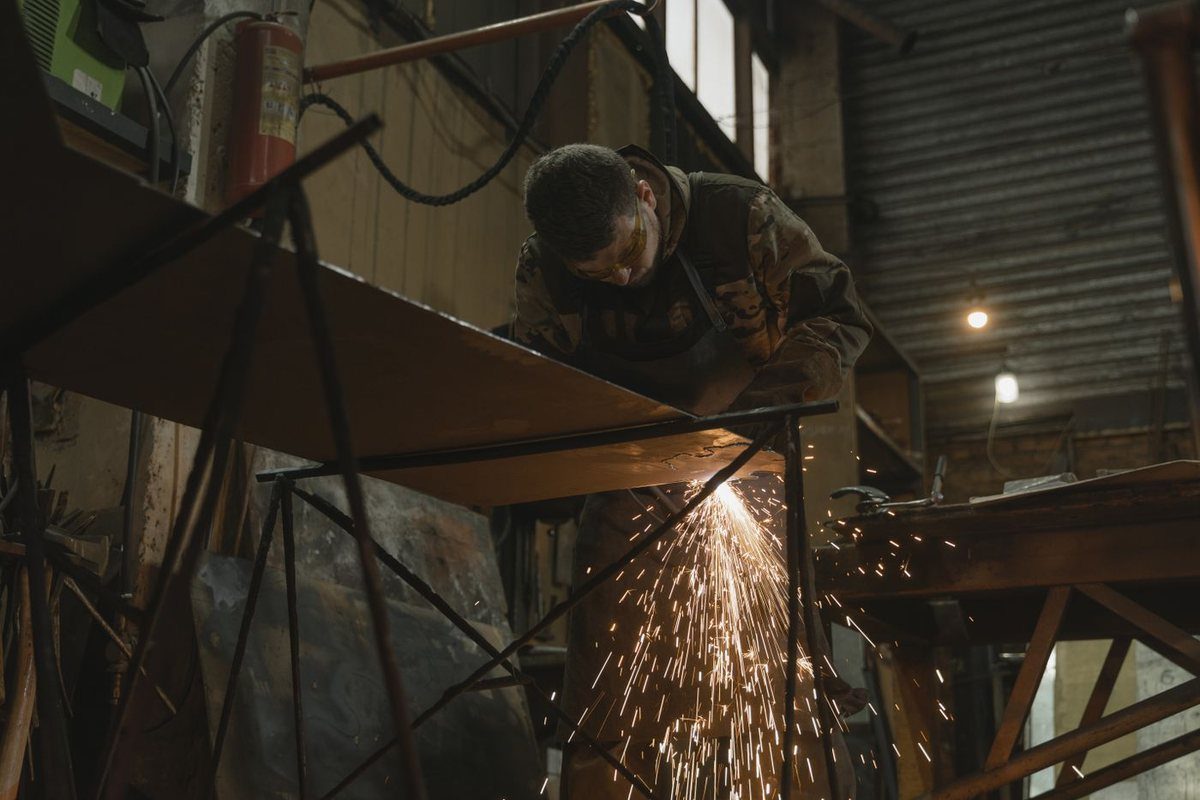
We fabricate trench chequered plates in our own workshop and install with our own crews, so a site in Abu Dhabi or Ras Al Khaimah gets the same survey, the same shop drawings and the same finish as a site in Dubai.
Send us your drawings, samples or a description of the scope. Our engineering team will come back with a detailed quotation and a realistic programme.