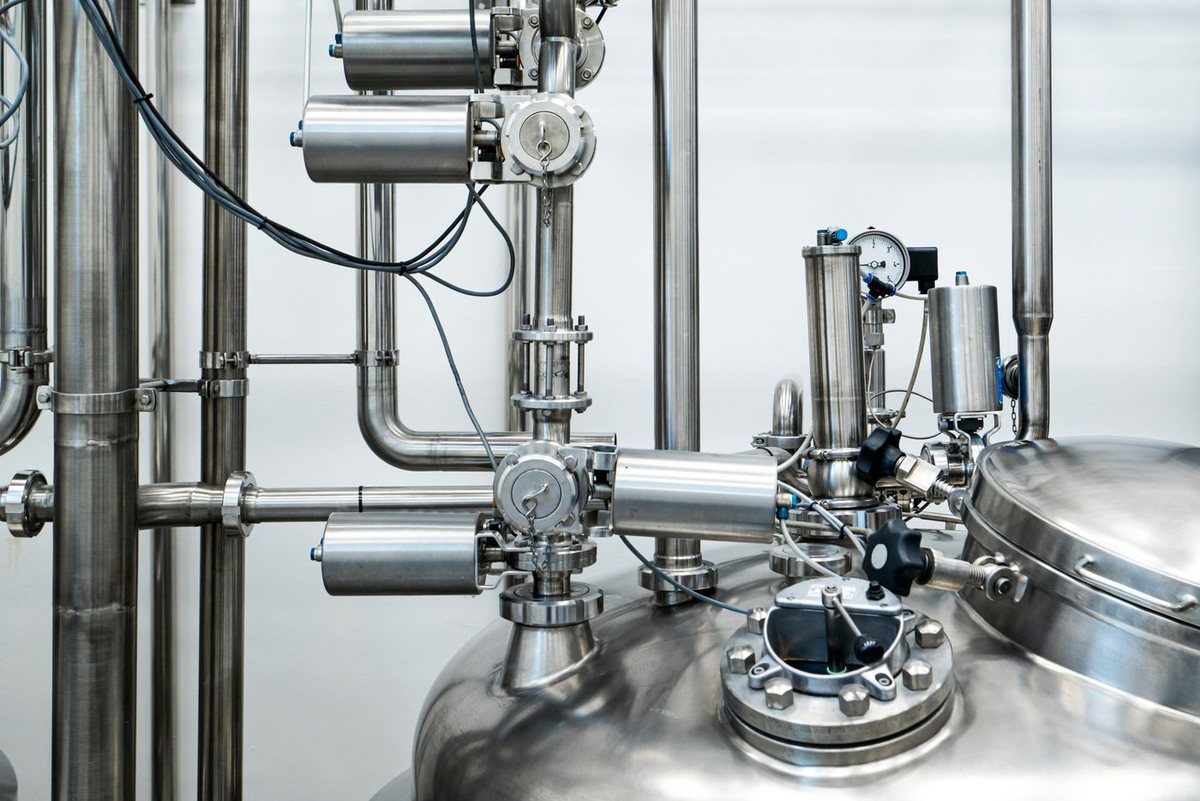
Piping work lives or dies on documentation. Every joint is mapped, every welder is qualified to the applicable procedure, and every line ends up in a test pack that ties the weld back to the person who made it and the NDT report that cleared it.
Fabricating spools in the workshop and installing them as assemblies cuts the number of position welds needed at height. That reduces the hot-work exposure on site, shortens the shutdown window and produces a more consistent weld than the same joint made on a scaffold.
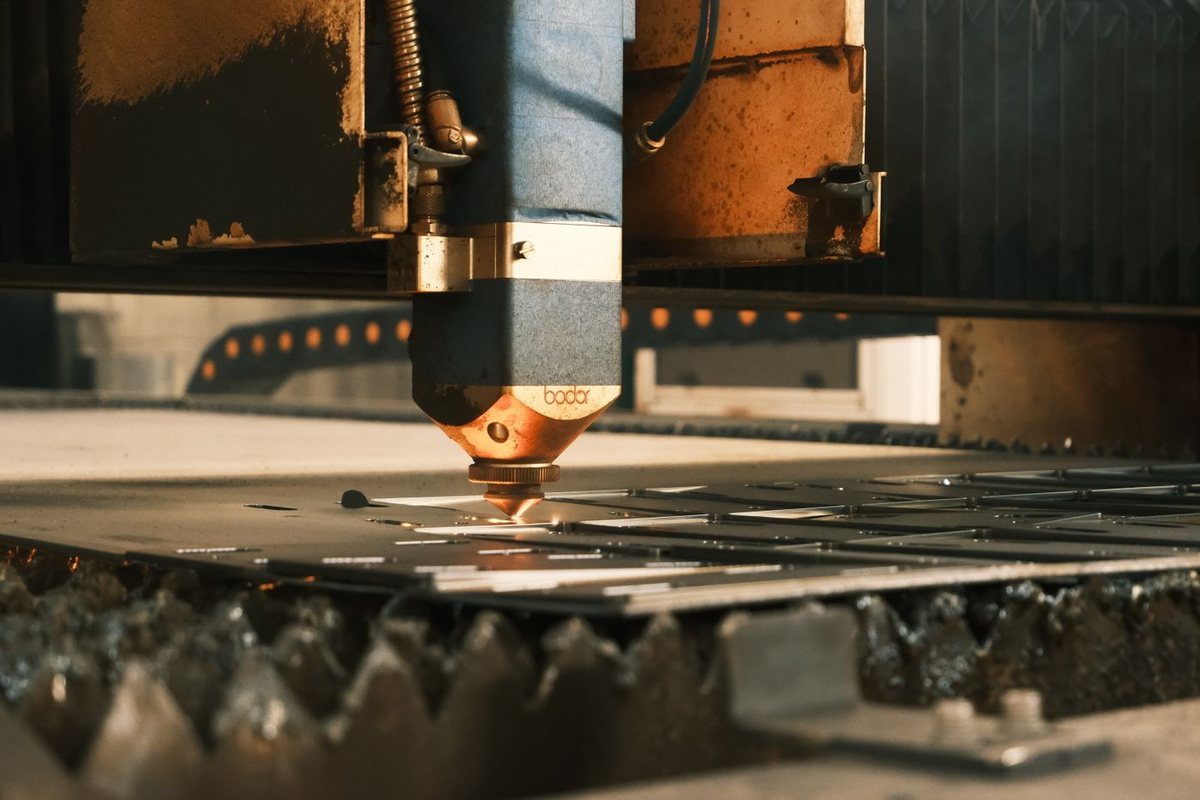
Workshop-fabricated pipe spools cut, bevelled, fitted and welded from isometrics before shipping to site.
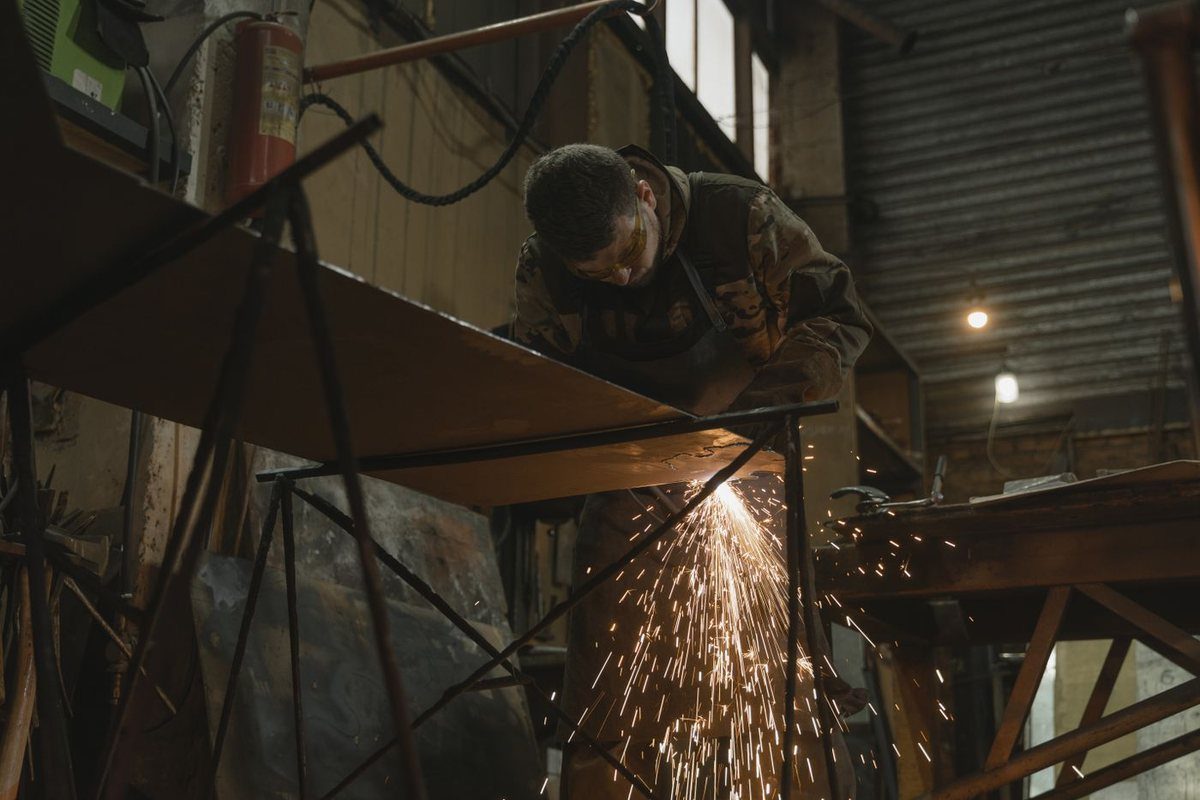
Qualified welders working to approved WPS, with GTAW root and SMAW/GMAW fill and cap as specified.
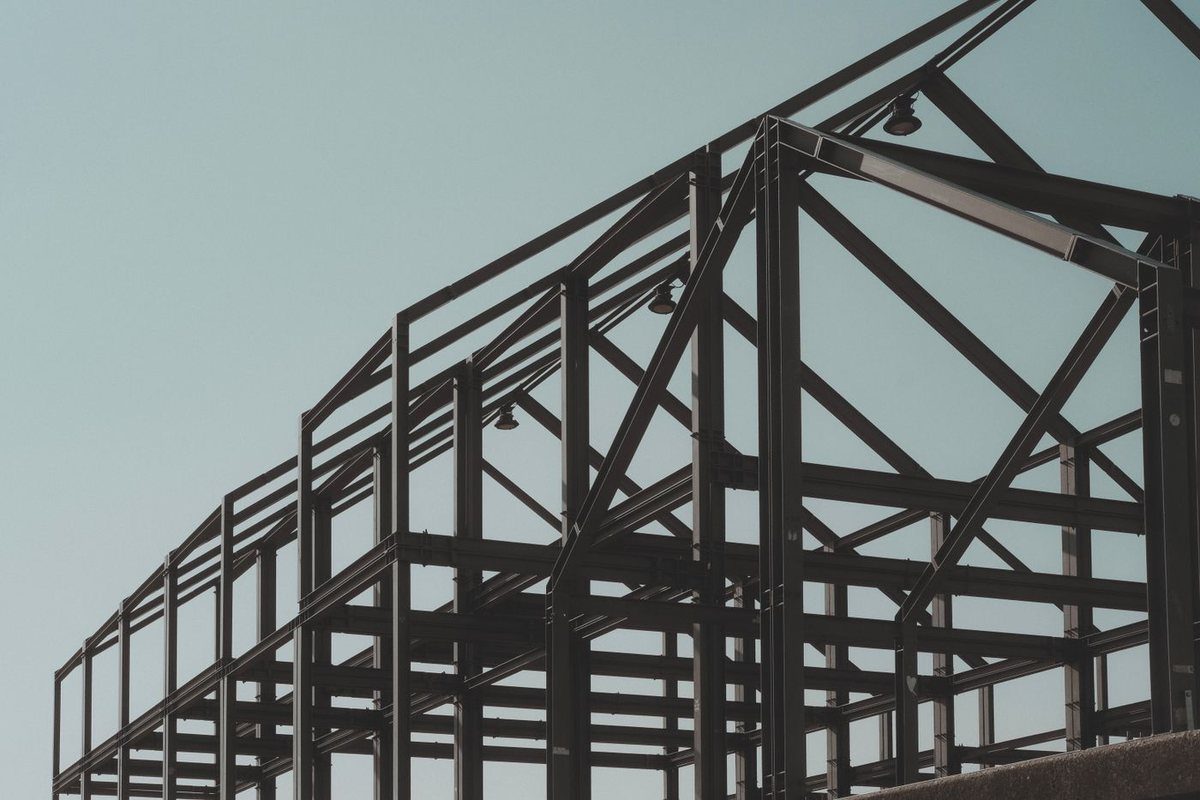
Shoes, guides, anchors, spring hangers and full pipe rack steelwork fabricated and installed with the line.
Erection, alignment, bolt-up and tie-in of new lines into existing systems under permit.
Hydrostatic and pneumatic testing, radiography and dye-penetrant inspection with complete test packs.
Surface preparation, painting and provision for thermal or personnel-protection insulation.
Yes. Spools are cut, fitted and welded in the workshop to the isometrics, then erected and tied in on site - which puts most of the welding in controlled conditions instead of at height.
Yes. Welds are mapped to qualified welders and procedures, with the inspection and test records compiled into a handover pack for the client or the third-party inspector.
Yes - tie-in and modification work is carried out under permit with the plant's own isolation and hot-work procedures, including work at height and confined space where the scope calls for it.
We fabricate piping services in our own workshop and install with our own crews, so a site in Abu Dhabi or Ras Al Khaimah gets the same survey, the same shop drawings and the same finish as a site in Dubai.
Send us your drawings, samples or a description of the scope. Our engineering team will come back with a detailed quotation and a realistic programme.